

When you’re at the store, have you ever seen an essential oil with a little USDA sticker on it? What makes this oil different than all the others on the shelf? Organic essential oils are derived from plants grown without the help of synthetic pesticides, herbicides, or fertilizers.
They are instead produced using methods that meet specific organic standards. In America, these are often standards set by the United States Department of Agriculture; the little green USDA sticker means that the product has been certified as meeting these standards
For those who prioritize natural products and the health of the planet, there’s no better option. These oils are known for their purity as they are free of potentially harmful residues and synthetic additives. This article acts as an introduction to the world of organic essential oils. Our experts have taken the time to determine the best organic essential oils to add to your collection.
Below, you can read a detailed breakdown of our top choices for the best organic essential oils. Each of these is available online with Wholesale Botanics, making it simple to incorporate them into your skincare, haircare, or aromatherapy routines.
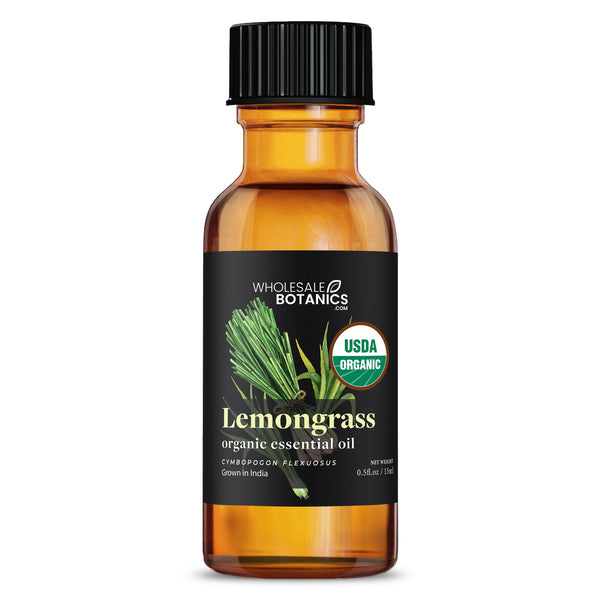
Lemongrass essential oil is valued as a natural fragrance component in perfumery, candles, and soaps. Its versatility and relatively low cost make it one of the most accessible yet powerful essential oils available.
The oil is rich in naturally occurring citral, which gives it its strong lemon-like aroma. Known for its bright, clean scent, lemongrass oil is frequently used in cleaning products, deodorizing blends, and skincare.
When diluted, it can help promote the appearance of bright, clear skin. However, it can be a stronger skin irritant compared to oils like lavender, so careful dilution and patch testing are essential
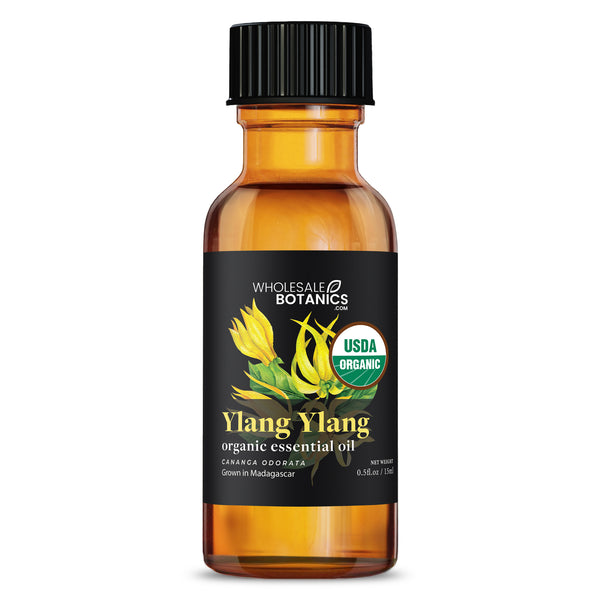
Ylang ylang comes from the tropical climates of Southeast Asia and the South Pacific. The fragrant yellow blossoms are steam-distilled to produce the oil.
Known for its tranquil and grounded scent, ylang ylang is widely used in the aromatherapy world. Ylang ylang even holds a prestigious place in perfumery; it’s a key note in iconic fragrances like Chanel No. 5.
While it’s on the more expensive end of oils, its rich, sweet, and intensely floral aroma with hints of banana, custard, and spice is well worth the price. You’ll also need to use less of this oil compared to others due to its aromatic potency.
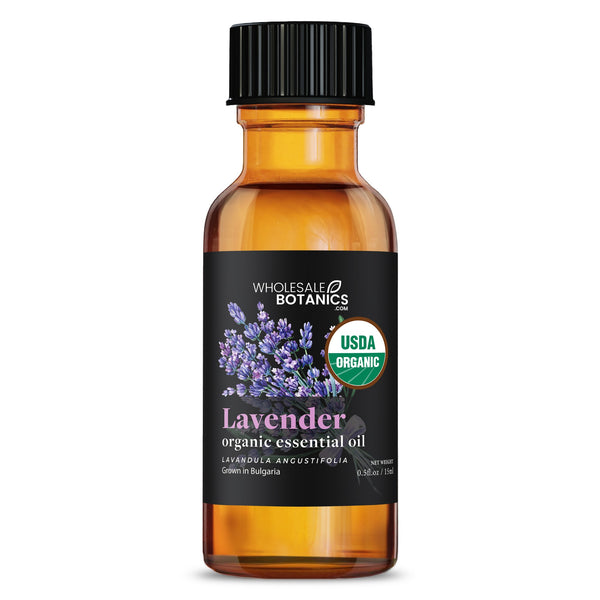
It’s likely that if you have ever had an essential oil before reading this article, it was lavender oil. It’s often called the “Swiss Army knife” of essential oils. This is because lavender is valued for its versatility across skincare, haircare, perfumery, bath products, and home fragrance. Its balance of sweetness and herbal freshness makes it a cornerstone in both modern and traditional aromatherapy.
Fresh, floral, and carrying a subtle sweetness, it’s a well-rounded fragrance that layers beautifully in blends, from tranquil perfumes to household fragrance sprays.
Lavender is one of the best-tolerated essential oils for direct skin use when diluted properly. Its gentleness makes it suitable for all skin types, though be sure to do a patch test before applying to your skin
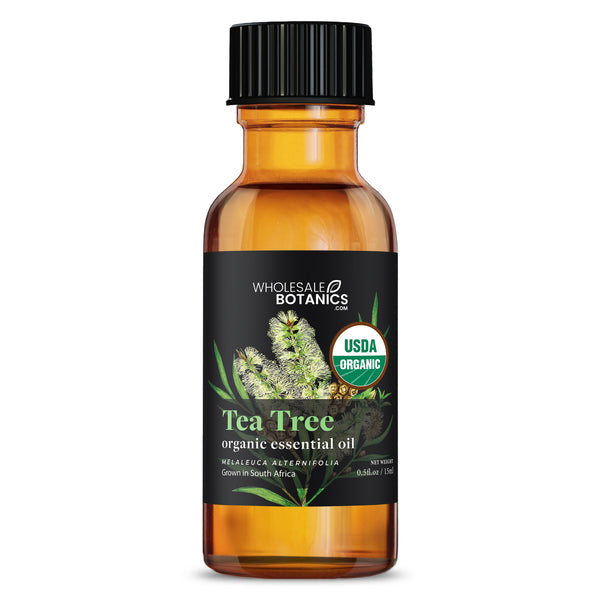
While not as popular as lavender, every essential oil hobbyist must know about tea tree oil. Tea tree oil has earned a global reputation as one of the most beloved natural skincare ingredients. Its versatility in skincare, household cleaning, and natural remedies makes it a cornerstone of modern aromatherapy and beauty practices.
While tea tree oil is produced in many countries, the plant from which it is extracted is native to Australia. Sharp, medicinal, and herbaceous, tea tree oil’s powerful scent is instantly recognizable and often associated with cleanliness and purity
| Variety | Botanical Name | Scent Profile | Best Uses |
|---|---|---|---|
| Organic Lemongrass | Cymbopogon flexuosus | Herbal, citrus, sweet | Perfumery, candles, soaps |
| Organic Ylang Ylang | Cananga odorata | Floral, sweet, bright | Perfume, high-end cosmetics |
| Organic Lavender | Lavandula angustifolia | Floral, sweet, soft | Cleaning blends, sprays, diffusers |
| Organic Tea Tree | Melaleuca alternifolia | Herbal, spice, woodsy | Skincare, facial oils, diffuser |
While all essential oils are produced with the same steps, an essential oil is labelled organic due to the crop from which it is derived.
For a product to be labelled by the USDA as “organic,” the farm must follow strict guidelines before harvest. These guidelines include a restriction on synthetic pesticides, herbicides, or fertilizers being used during cultivation. Organic essential oils are also not derived from GMOs, also known as genetically modified organisms.
Each of these essential oils offers a unique sensory profile and practical benefit across beauty, skincare, and aromatic applications. Lemongrass oil delivers a crisp, lemony scent that brings a feeling of freshness to personal care products, home sprays, and deodorizing blends. Its naturally occurring citral content gives it a bold aromatic presence. When properly diluted, lemongrass oil can be used in skincare to help maintain a clear, mattified appearance.
Ylang ylang oil brings a luxurious, tropical richness to any blend. Intensely floral and slightly spicy with notes of banana and custard, it’s prized for its complexity and strength, even in small amounts. A little goes a long way; a touch of this oil adds elegance to perfumes, bath oils, and body care products. It’s especially loved in scent layering, where it can transform a blend into something lush and romantic.
Lavender oil is a time-tested classic in beauty and home routines. Its soft, herbal-floral aroma blends easily with other oils, making it a go-to for everything from linen sprays to bath soaks. Gentle and well-tolerated by most skin types when diluted, lavender is a staple in face and body oils, masks, and after-sun care. Tea tree oil, on the other hand, brings a sharper, more medicinal scent that’s instantly associated with clarity and cleanliness. Known for its use in clarifying skincare and natural cleaning products, it’s a must-have for those who prefer a fresh, no-nonsense aromatic profile.
The intended use of each oil variety is determined largely by aroma intensity, texture compatibility, and versatility in blending. What makes it more complicated is that many of the oils listed above are extremely versatile.
Lavender, the “Swiss Army Knife” of essential oils, can be found in everything from skin care to oil diffuser blends. It is popular in skincare, haircare, perfumery, and aromatherapy industries across the world.
Lemongrass is very similar to lavender regarding its adaptability. Affordable, versatile, and highly effective, it remains one of the most approachable yet impactful essential oils on the market. Lemongrass essential oil is prized for its dual role as a therapeutic remedy and a natural fragrance in perfumes, candles, and soaps.
Ylang ylang is actually a little less versatile. The opposite of a “jack of all trades,” this oil is known to truly flourish in the world of fragrances and aromas. But in this field, it's at the top of its league. The oil is even one of the key notes in the famous perfume, Chanel No. 5.
Finally, with applications ranging from skincare to household cleaning, tea tree essential oil has become a staple in aromatherapy and modern wellness routines.
Lavender, tea tree, lemongrass, and ylang ylang each contribute unique fragrance profiles, offering a spectrum of uses.
Lavender provides a mellow balance with its gentle floral sweetness and soft herbal depth, creating a tranquil-smelling atmosphere. Tea tree contrasts with a crisp, medicinal sharpness touched by earthy undertones, lending a sense of freshness and purification.
Lemongrass brightens the mix through its citrusy zest and grassy vibrance, ideal for refreshing a room. Finally, ylang ylang adds an exotic, floral richness layered with fruity warmth, bringing a lush dimension to your mix.
At first glance, the small size of an essential oil bottle can make the price seem too high. Yet their concentrated nature means that only a few drops are needed to create a strong, lasting aroma. The price for an organic oil is also a bit more expensive than its regular counterparts. This is due to the more demanding farming methods that are practiced under the regulation of the USDA.
That said, prices always vary widely depending on the oil. Common options like organic lavender, organic tea tree, and organic lemongrass are typically affordable, often costing as little as around fifteen dollars per bottle.
More rare oils, such as organic ylang ylang, are priced higher, usually at a minimum of twenty dollars per bottle. This is due to the intensive cultivation and labor required to produce such a rare and distinctive fragrance.
Most organic lavender essential oil comes from the flowering plant Lavandula angustifolia, a member of the mint family, well regarded for its calming aroma. Organic lemongrass oil is distilled from the tall grasses of the genus Cymbopogon. These plants are known for their fresh, citrusy scent.
Organic ylang ylang oil is derived from the fragrant blossoms of Cananga odorata, a tropical tree native to Southeast Asia. Organic tea tree oil, on the other hand, is obtained from the leaves of Melaleuca alternifolia, an Australian evergreen celebrated for its sharp, medicinal fragrances.
Together, these plants show the botanical diversity behind essential oils, but they also highlight the importance of choosing an organic oil. As each of these plants already requires a careful and specific process to grow. Complicating this procedure with synthetic pesticides can greatly change the outcome.
Wholesale Botanics produces all four of these oils through steam distillation, a traditional method designed to protect the plant’s most delicate aromatic compounds. This approach is particularly important for lavender, where sensitive molecules like linalool and linalyl acetate define its recognizable scent.
The process of extraction is the same whether or not an oil is organic. What’s more important is the natural product that is being distilled.
By preserving these natural constituents, the process yields an oil that maintains both its fragrance and its therapeutic benefits. The result is a pure, organic, high-quality lavender essential oil.
Tea tree oil is most closely tied to its native country, Australia. The country boasts vast farms that cultivate the native tea tree and supply much of the global market. Lemongrass oil, by contrast, is primarily produced in India, though the plant also grows well in tropical regions such as Vietnam and Cambodia.
Lavender, while easier to cultivate than many tropical oils, is most famously sourced from France, which dominates worldwide production. Ylang ylang stands apart with its more limited origins, thriving only in select equatorial climates like Madagascar, the Comoros, and nearby East African islands.
Tea tree, lavender, lemongrass, and ylang-ylang each have unique chemical profiles that give them their distinct properties. Tea tree is rich in terpinen-4-ol and other terpenes, making it highly effective for cleansing and antimicrobial use. Lavender contains linalool and linalyl acetate, compounds that promote relaxation and skin-soothing effects.
Lemongrass is dominated by citral, lending it strong antibacterial power and a bright, uplifting scent. Ylang-ylang features linalool, creating its signature exotic floral aroma with calming and balancing qualities. Together, these oils showcase the diverse benefits of plant-based chemistry.
Hopefully, this guide helped you find the best organic essential oils for your budget and needs. Organic essential oils prioritize both purity and planet-friendly practices. These oils are free from synthetic additives and harmful residues. Choosing organic ensures you know exactly what it is in your oil and also leads to a healthy impact on the environment.
Organic essential oils offer a promise of purity from unnecessary additives, which can result in a stronger fragrance and more efficiency, but this isn’t necessarily guaranteed.
While organic essential oils do not last longer than conventional ones, they typically do not expire any quicker since the pesticides and preservatives used in conventional farming and production do not extend the shelf life of the oil.
Yes, for something to be labeled as organic, it must be produced without GMOs.
Lavender covers a wide variety of uses and tends to be complementary to most essential oil blends.
The price point depends on the individual essential oil, but generally, organic essential oils don’t cost too much more than their non-organic counterparts.