

Lavender essential oil is one of the most widely recognized and studied botanical extracts in the world of aromatics. Its nuanced floral aroma, broad range of applications, and long history of cultivation make it a cornerstone in both artisan and commercial formulations.
However, the term “lavender oil” does not refer to a single standardized substance. Rather, it encompasses multiple botanical species, each with its own aromatic profile, chemical composition, and ideal uses.
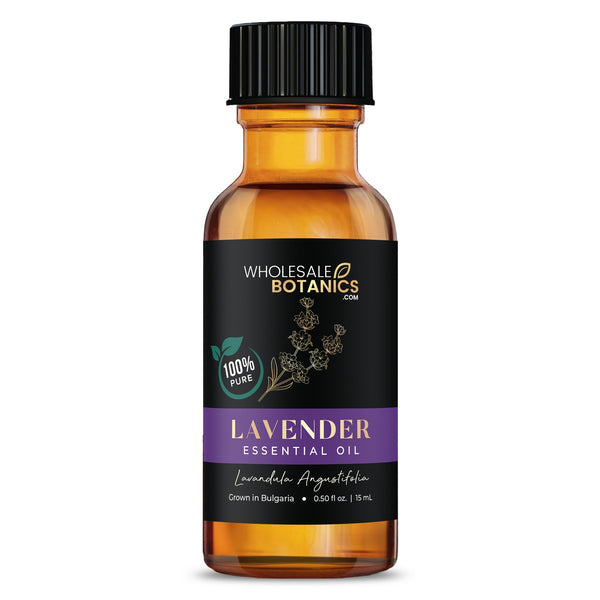
Often called “True Lavender,” this variety is the source of the classic lavender scent most people recognize. This variety is most commonly cultivated in the Mediterranean, especially in the Provence region of southern France, as well as in Spain and Italy.
It’s especially valued by aromatherapists for its floral fragrance qualities. True lavender contains high levels of linalool and linalyl acetate, with only a small amount of camphor. Because the plant is delicate and produces less oil than other lavender plants, it tends to be more expensive.
While it can be more pricey than its counterparts, you’ll find this variation in many household products due to its quality and potency. Lavandula angustifolia can be found in everything from skin care products to natural cleaning sprays and laundry products. Our collection even offers an organic version for those looking for a more potent and natural oil
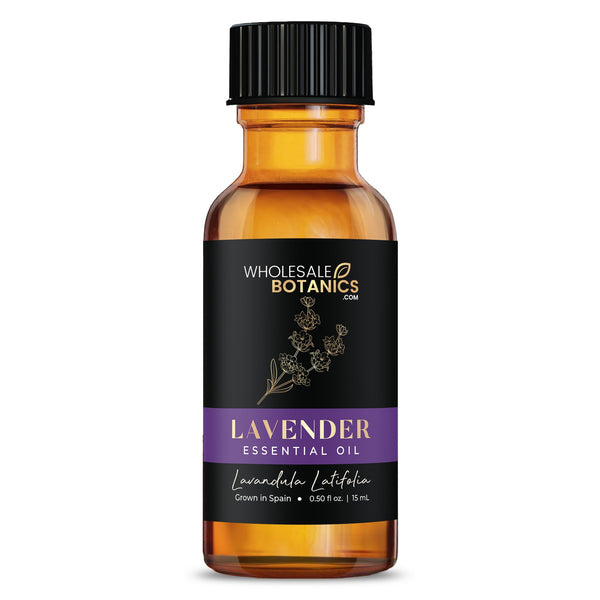
Lavandula angustifolia’s best friend, Lavandula latifolia, is commonly called by its other names: broadleaved lavender, spike lavender, or Portuguese lavender. It is a member of the mint family that’s native to the western Mediterranean. It grows from central Portugal across Spain and southern France to northern Italy.
In the wild, it can naturally hybridize with English lavender. Needless to say, many products synthesize the two to give their customers the benefits of both.
Lavandula latifolia is known for its distinctly spicier aroma in comparison to other lavenders. This is a product of its high concentration of camphor. Traditionally, camphor has been used in oil blends and serums meant to uplift and energize
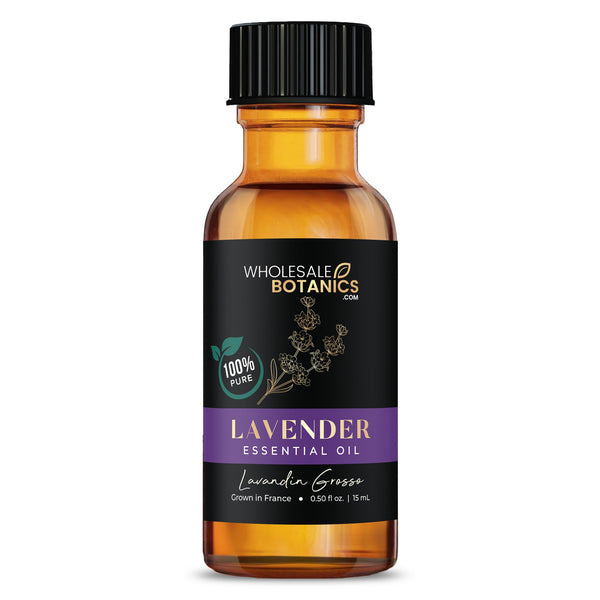
Remember, just a moment ago, where it was referenced that Lavandula latifolia and Lavandula angustifolia blend excellently together? The product of this synthesis is called Lavandin Grosso.
Due to its genetic heritage, Lavandin Grosso comes with the best of both worlds. With high traces of camphor, this oil has a particularly strong aroma. This makes it perfect for use in candles and diffusers.
While the process to create Lavandin Grosso can help naturally, most farmers will purposefully blend the two together as a hybrid species using natural, non-invasive methods. This Lavandin is one of the more affordable options, given its crop has a very high oil yield. It is a staple in industrial-scale productions as well as a functional oil that’ll fit most household needs
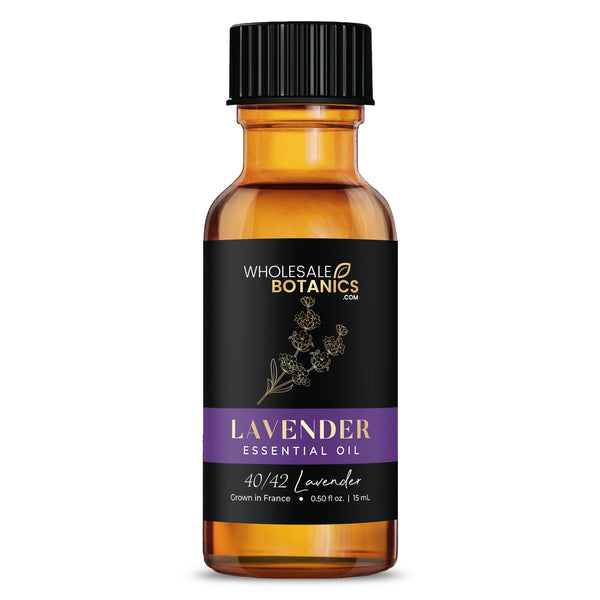
While 40/42, also known as Lavandin super, derives from Lavandula angustifolia and Lavandula latifolia as well, this product differs significantly in both its aroma and chemical structure. This unique smell depends on two key compounds, linalool and linalyl acetate. Respectively, these compounds are adjusted to make up 40% and 42% of the oil, using a base of lavender essential oils.
The product of all this hard work and science is an oil with a standardized blend that is designed to maintain a consistent scent. So whether you buy this oil in July or December, the product will smell just as you remembered it. This is a unique option as most essential oils will change in aroma each year due to climate and growing conditions.
While this product can be achieved synthetically in a lab environment, we ensure that its product is naturally derived from combining different essential oils
| Variety | Scent Profile | Best Uses |
|---|---|---|
| Lavandula Angustifolia | Soft, sweet, floral | Skincare, facial oils, diffuser |
| Lavandula Latifolia | Bright, floral, spicy | Perfume, high-end cosmetics |
| Lavandin Grosso | Strong, herbal, camphorous | Cleaning blends, sprays, diffusers |
| 40/42 Lavender | Balanced, floral, camphoraceous | Massage, bath, and general use |
The unique qualities of each lavender essential oil are shaped by its botanical lineage, growing environment, and distillation process. True lavenders are prized for their softer, low-camphor aroma, while Lavandin hybrids produce larger yields and carry a sharper, more pungent scent.
Though all varieties share a familiar floral character, their differences in chemistry, fragrance, and production make each type better suited for certain uses. By recognizing these subtle distinctions, formulators, professionals, and enthusiasts can choose the lavender oil that best matches their goals and applications.
Lavandula angustifolia is known as the most gentle of the batch. Known for its tranquil fragrance, Lavandula angustifolia is a favorite among spas and other relaxation destinations for use in diffusers. It is also gentle enough for skin care, making it an excellent addition to any lotion or cream.
Lavandula latifolia, on the other hand, is known more for its use on the body. Many believe that this variety can enhance massage oils and daily use body serums.
The hybrids are a sort of the best of both worlds. Lavandin Grosso provides an uplifting, balancing, and cleansing effect, invigorating its users. Often used to freshen the air, this affordable option is very popular in wellness circles. Lavender 40/42 provides all the classic lavender benefits, known for its gentle skin support and its fragrance for diffusion. Lavadin Grosso and Lavender 40/42 are great options for anyone wanting a versatile oil.
Due to the gentle smell of Lavandula angustifolia, people often use it for diffusing and even skin care. Thanks to its low-camphor profile, it has become a cornerstone of the aromatherapy industry.
Lavandula latifolia, on the other hand, is known for its camphor and thus its stimulating properties. It's believed to have benefits for those with muscle tension, but this variety is used for many things, including as a natural cleaning aid.
Hybrids have even more uses than their parent plants. Lavender 40/42 can be found in commercial soaps, candles, cleaning products, and massage blends. Its uniform scent is perfect for large-scale productions. Lavandin Grosso is also used in a similar vein. Since both are affordable, even amateur entrepreneurs could cultivate a business that involves a drop of essential oil in their lotions or cleaning sprays.
Lavender essential oils can smell very different depending on the type.
Lavandula angustifolia has what’s considered the most classic lavender scent. It’s soft, floral, and slightly sweet, perfect for calming and relaxing activities. Lavandula latifolia smells sharper and more herbal, with a camphor edge that feels spicy, fresh, and energizing.
Lavandin Grosso has a strong, bold aroma that is less sweet and more camphorous, making it great for soaps, candles, and cleaning products.
Finally, Lavender 40/42 is blended to always smell the same. It’s sweet, floral, and very familiar, though less complex than pure lavender oils. This familiarity makes it popular with companies looking to add oils to their products.
While all the options on this list are relatively affordable, with lavender being one of the most in-demand essential oils on the market, there are price differences that are worth noting. Firstly, and unsurprisingly, Lavandula angustifolia, or true lavender, is often the most expensive option listed above. This is due to the low oil yield, as well as the delicate cultivation required to produce this oil.
Lavandula latifolia is moderately priced thanks to its higher yield. Nonetheless, its purity makes it more expensive than the hybrids on this list.
The hybrids, Lavandin Grosso and 40/42 Lavender, are often the cheapest options, but this is not due to a lack of quality. It is simply easier for farmers to produce more of these products due to the high oil yield. They are also often produced in larger quantities due to their demand, as these hybrids can have particularly potent aromas.
While all four oils come from lavender plants, their botanical sources differ – sometimes slightly, sometimes greatly. Lavandula angustifolia and Lavandula latifolia are both distilled from the flowering tops of their respective species. These tops are put through a steam distilling process to receive the final product.
Lavandin Grosso comes from the flowers of Lavandula angustifolia and Lavandula latifolia, a natural hybrid of the two.
Lavender 40/42, however, is not tied to a single species. It’s a standardized blend made from different lavender oils, often Lavandula angustifolia and Lavandula latifolia, with linalool and linalyl acetate added to create a consistent aroma.
The distillation process plays a major role in shaping the quality of lavender essential oils. Factors such as altitude, equipment, and the timing of harvest all influence the final aroma and potency.
True lavender is typically distilled in smaller batches with careful control over temperature and pressure. This attention to detail helps preserve the delicate top notes and therapeutic properties that make these oils so highly valued.
In contrast, lavandin oils are often distilled on a larger scale. These operations focus on higher yields and efficiency, though the process is still designed to maintain the oil’s stability and classic fragrance.
Regardless of the species, all four lavender oils are extracted through steam distillation. This is a traditional method that safeguards sensitive compounds such as linalool and linalyl acetate, ensuring the oils remain pure, potent, and true to their botanical origins.
While all of these lavenders stem from the plant family, their origins are actually quite unique. These origins influence both quality and availability in the marketplace. Lavandula angustifolia is most famously grown in France, though it’s also produced in Bulgaria, parts of Eastern Europe, and even England. In fact, another popular name for it is English lavender.
Lavandula latifolia, or spike lavender, thrives in the western Mediterranean, especially Spain, Portugal, and southern France. Lavandin Grosso is mainly cultivated in southern France, where vast fields are dedicated to its production.
Lavender 40/42, however, isn’t tied to one place. It’s a standardized blend made from lavender oils sourced from multiple regions to ensure a consistent scent. Its origin is more dependent on where the original oils stem from.
Lavandula angustifolia is rich in linalool and linalyl acetate, which give it its gentle, sweet, and calming aroma. It has very low camphor, making it softer, but this also means it's quite delicate, requiring a much more hands-on cultivation process.
Lavandula latifolia has a much higher camphor content, giving it a sharper, more medicinal scent. It still contains linalool, but its stimulating nature sets it apart from true lavender.
Lavandin Grosso is a hybrid, so its chemistry blends traits of both parent species. Nonetheless, it always has a balanced mix of linalool, linalyl acetate, and camphor, making it stronger, more camphorous, and slightly less delicate than true lavender.
As stated before, Lavender 40/42 is a standardized oil. Producers adjust the levels of linalool to 40% and linalyl acetate to 42%. This ensures a consistent aroma every time, unlike natural oils that vary with each harvest.
When you’re thinking about buying lavender essential oil, you’ll want to pay attention to the different types of lavender oil. The lavender oil type will dictate fragrance profiles; for instance, Lavandin Grosso has a very different aromatic profile than Lavandula angustifolia.
Lavandula angustifolia, or true lavender, is almost always sourced from France.
Lavandin Grosso has the strongest scent among the different types of lavender oil, but it’s also the type that smells the least like true lavender.
Lavender 40/42 is going to be the most crowd-pleasing, as it's blended to always smell the same. This makes it the perfect option for adding to essential oil blends or candles.
Organic lavender oil is more eco-conscious and doesn’t have any added synthetics.