

Essential oils naturally carry appealing and distinctive fragrances, but did you know their impact can be amplified when incorporated into a candle? The melting of wax containing essential oil helps the aroma fill a room more effectively. This is truly the best way to enhance the oil’s full potential.
Since the scent is often one of the first impressions visitors have of your home, it can set the tone for the entire space. But are all essential oils made equal? Due to the chemical structures of certain oils, the potency of their smells can either be diminished or exponentially improved.
A pertinent element to understanding the conducive nature of essential oils in candle making is “hot throw.” This term describes the intensity of a candle’s aroma while it’s burning. It’s the fragrance released as the wax melts and disperses into the air, in contrast to the “cold throw,” which refers to the scent detectable before the candle is lit.
This guide will cover the most commonly effective fragrance profiles for candle making. Everything from an invigorating citrus smell to a soothing, floral tone, essential oils can yield great effects when paired with candles.
Below, you'll find our favorite oils to use in candle making, whether you're a beginner hobbyist or an artisan running a small business.
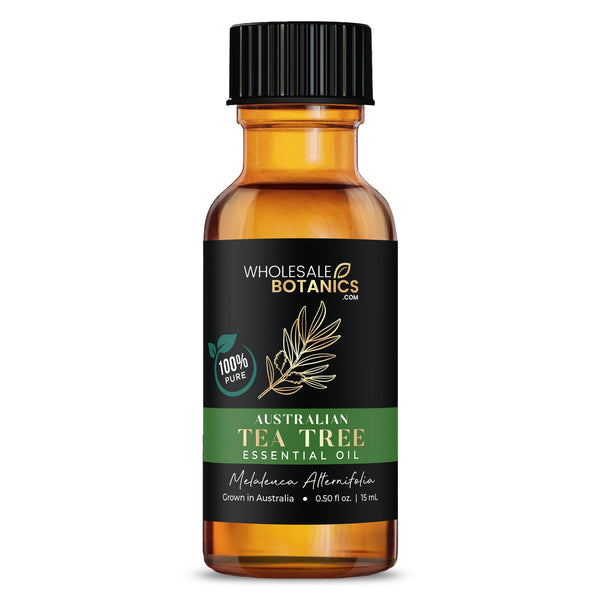
The Melaleuca Alternifolia tree, native to Australia’s southeastern coastline, has a long history of use. Traditionally, its leaves were brewed into invigorating teas.
Today, tea tree oil remains a powerhouse ingredient, featured in countless skincare and haircare formulations. It’s often chosen by skin care product manufacturers to help promote radiant complexions and provide a naturally refreshing boost to personal care rituals. Due to these very same properties, tea tree oil is an excellent addition to any candle.
Tea tree receives a majority of these benefits from a simple chemical compound found within its genetic code, Terpinen-4-ol. This compound is also responsible for tea tree’s excellent hot throw. Terpinen-4-ol allows the scent of your candle to carry quickly through the room, possibly even the house.
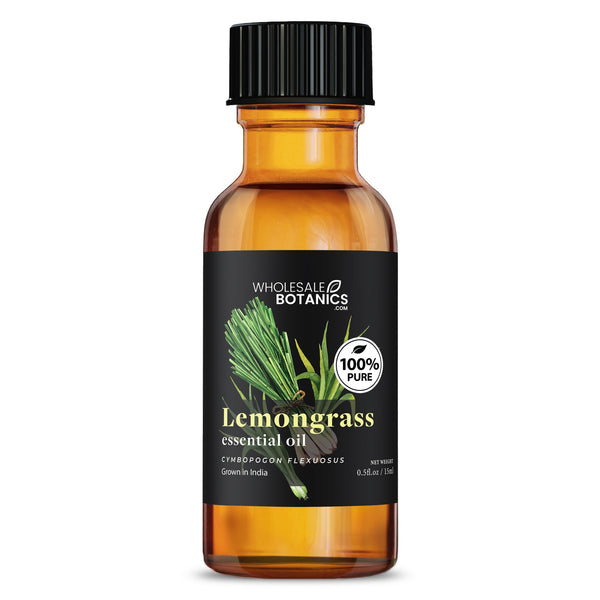
While lemongrass is known for its earthy scent, the incredible burning power of its chemical structure is anything but tranquil. Thanks to its naturally volatile compounds, lemongrass delivers an exceptional hot throw, largely due to the high concentration of citral in its composition.
When these candles are lit, the fragrance disperses rapidly and evenly, filling a space with vibrant, citrusy brightness. The scent travels far, transforming the atmosphere within minutes, making it ideal for large rooms or open spaces.
Beyond its aromatic reach, the uplifting character of lemongrass can boost the room’s atmosphere while subtly refreshing the environment.
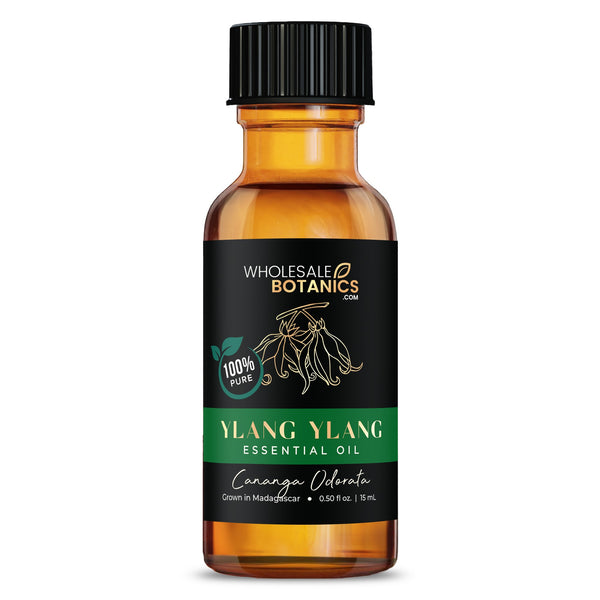
Ylang ylang may be on the pricier side of essential oils, but for candlemaking, the benefits are easily apparent. Firstly, the high ester content of this oil, due to the presence of benzyl acetate, means that these candles maintain a consistently strong, luxurious scent even after burning for hours, creating an indulgent and memorable atmosphere.
The hot throw of ylang ylang is high in great part due to the presence of chemical compounds such as linalool and geraniol. These naturally occurring alcohols not only lead to effective burning, but they also let off a slightly floral aroma that enhance the room’s overall vibe during candle use.
Strangely, ylang ylang differentiates itself from other, lighter citrus oils. Unlike other fragrance profiles in its family - such as lemon or blood orange - this oil can retain its citrus profile in high heat, making it ideal for prolonged burning in candles without losing its distinctive, rich aroma over time.
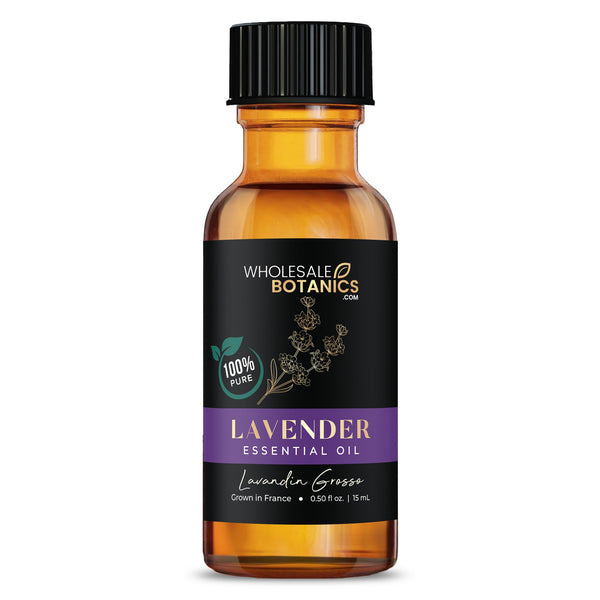
Lavender essential oil is highly valued in candle making due to its unique chemical composition, which ensures a balanced and lasting fragrance. The primary compounds, linalool and linalyl acetate, give lavender its characteristic sweet, floral, and herbaceous scent.
These compounds have moderate volatility, meaning they evaporate steadily when heated, providing a consistent hot throw without dissipating too quickly. Additionally, lavender contains esters and alcohols that are relatively heat-stable, allowing the fragrance to endure throughout the candle’s burn time without becoming harsh or degraded.
Minor components such as camphor and terpinen-4-ol add aromatic depth and complexity, preventing the scent from being one-dimensional. This chemical makeup results in a mild yet effective scent projection, creating an atmosphere that is neither overpowering nor too faint. These properties make lavender essential oil an ideal choice for candles, both on its own and when blended with other oils for layered, harmonious fragrances.
| Oil Variety | Botanical Name | Scent Profile | Blends Well With |
|---|---|---|---|
| Tea Tree | Melaleuca Alternifolia | Herbal, spice, woodsy | Marula, tamanu, or sweet almond carrier oils |
| Lemongrass | Cymbopogon Flexuosus | Herbal, citrus, sweet | Lime, sweet orange, ylang ylang essential oils |
| Ylang Ylang | Cananga Odorata | Floral, sweet, citrus | Jasmine, lavender, and eucalyptus essential oils |
| Lavender | Lavandin Grosso | Woodsy, delicate, floral | Citronella, patchouli, and geranium oils |
The botanical source, cultivation environment, and distillation process each influence the fragrance profile and texture of your candle. This grid serves as a helpful starting point, offering insight into the diverse creative possibilities and guiding you toward crafting candles with unique aromas, textures, and visual appeal.
There are lots of reasons why you should make an essential oil candle. If you’re not sure about which essential oils to use, we’ll break down benefits, aromatic profiles, price points, and more to help you get started.
Making an essential oil candle offers both sensory enjoyment and practical benefits. Unlike synthetic fragrance oils, essential oils provide a clean, natural scent. No matter what kind of atmosphere you’re trying to create, there’s an essential oil that helps.
Both tea tree oil and lemongrass are known for giving the room a rejuvenated vibe when burned in a candle. This may serve as a mood boost, and can be great for gearing up to get some work done. ylang ylang is where this rejuvenation meets luxury, giving any room an aromatic wash of citrus and floral that will make you feel like you’re at a high-end party. Lavender, on the other hand, is known for a softer atmosphere.
The process of making candles itself is creative and meditative, allowing you to experiment with scent blends, textures, and designs that reflect your personal style. Beyond personal use, these candles make thoughtful, one-of-a-kind gifts or can even become a small business venture.
The intended use of each oil is very particular to its chemical composition. However, when mixed into a candle, there is a right and wrong way to prepare your scents. Pairing them with natural waxes such as soy or beeswax results in a cleaner burn with less soot and fewer toxins, making them a healthier choice for your home.
The intended use for each oil does depend on the benefits you’re trying to get from it. For uplifting scents like tea tree and lemongrass, you may want to consider burning candles with these oils while studying or cleaning, as they have more uplifting properties.
If you’re hoping to impress company or give your home a boost of luxury, you can’t go wrong burning a candle with ylang ylang.
On the other hand, lavender candles are great to pair with winding down for the evening. Many people burn lavender candles during meditation, though always be careful when doing so.
You may know that essential oils often need to be paired with a carrier oil as well. However, this is not applicable to candle making. In fact, the more potent the oil, the stronger the scent, allowing your candle to deliver a richer, longer-lasting, and more captivating aromatic experience.
Tea tree, lemongrass, ylang ylang, and lavender each bring distinct aromatic personalities to a candle. Tea tree offers a sharp freshness with subtle earthy undertones, evoking a clean atmosphere. Lemongrass delivers a bright, citrusy zest layered with grassy notes, perfect for energizing and uplifting a space.
Ylang ylang, in contrast, is deeply floral and exotic, with sweet, almost fruity undertones. Lavender balances the group with its soft, herbaceous aroma, combining floral sweetness with a gentle earthiness. Together, these scents showcase the wide range of moods and environments that essential oils can create.
The price of an essential oil may seem high due to the small size of the bottle. However, a little goes a long way, as these concentrated plant extracts require only a few drops to impart a noticeable aroma. Their potency means each bottle can last through many candle-making sessions, offering both value and versatility.
Prices vary quite a bit in regards to the oils covered today. A bottle of lavender, tea tree, or lemongrass will be affordable and common. Usually, ranging between ten to twelve dollars each. However, a product like ylang ylang may be a bit harder to find. This is due to the labor and time that is required to create an oil as unique as this product. Usually, price will range between twenty and twenty five dollars.
The exact botanical source is going to depend on the essential oils that you decide to purchase.
In these examples, tea tree oil comes from the Melaleuca Alternifolia tree, also known as the narrow-leaved paperbark. This tree is native to Australia and parts of Wales, growing in swampy climates. Lemongrass, on the other hand, comes from the leaves of the Cymbopogon Flexuosus, native to India, Thailand, Sri Lanka, and Burma.
Ylang ylang oil is extracted from the flowers of the Cananga Odorata tree, found in tropical climates. Finally, lavender oil can come from over 400 different types of lavender plants. The lavender oil we recommend is extracted from the flower spikes of Lavandin Grosso, a hybrid lavender known for its strong fragrance.
Look at the label or the back of the box to know more about your essential oils’ botanical sources.
All four of these oils offered by Wholesale Botanics are created using steam distillation, a process that safeguards the delicate aromatic molecules within the plant. This time-honored technique works especially well for lavender, helping to preserve sensitive compounds such as linalool and linalyl acetate that contribute to its signature fragrance.
By maintaining these naturally occurring components, the resulting oil retains its full therapeutic potential, from its calming and soothing effects to its fresh, floral aroma.
Ylang ylang has possibly the most interesting origin of the bunch. The Cananga Odorata tree only thrives in very specific tropical climates. Farms are most common in Madagascar, Comoros, and other East African islands in the region.
Something like lavender is much more common and easy to produce. However, the majority of lavender comes from one place - France.
Tea tree oil, also quite accurately named, is produced from the leaves of the Melaleuca Alternifolia. A majority of these plants and respective tea tree farms can be found in Australia.
Finally, a majority of lemongrass oils come from India. Although lemongrass can grow in most countries with warm rainforests, including Vietnam and Cambodia.
Lemongrass oil has an excellent hot throw due to the presence of high concentrations of citral.
Tea tree oil contains terpinen-4-old, a naturally occuring monoterpenoid alcohol that is highly combustible. This also is what gives it a superior hot throw.
Ylang ylang has great potential energy stored in it due to the presence of linalool and geraniol. Lavender is also known for its linalool.
The chemical composition of lavender oil directly influences its scent, texture, and suitability for various applications. But as stated earlier, the composition also determines the candle's hot throw.
The best essential oils for candle making combine aromatic appeal with strong hot throw. A great essential oil-based candle has the opportunity to enhance both the ambiance and mood of any room or individual.
Tea tree offers invigorating freshness, lemongrass brings vibrant citrus energy, ylang ylang provides rich floral luxury, and lavender delivers soothing calm. When used thoughtfully, these oils create candles that are both beautiful and memorable.
The things that make an essential oil good for candle making are the strength of its fragrance and its hot throw.
Yes, the type of wax used in a candle can affect the smell of the essential oils added. Different waxes absorb the fragrances differently, which means some (like soy) offer a purer fragrance when burned.
While essential oil candles aren’t necessarily safer or healthier than fragrance oil candles, they tend to have a more natural, clean aroma.
The amount of candles you can make from one bottle of essential oil will depend on how much you’re using in the candle as well as how big the bottle you’re working with is.